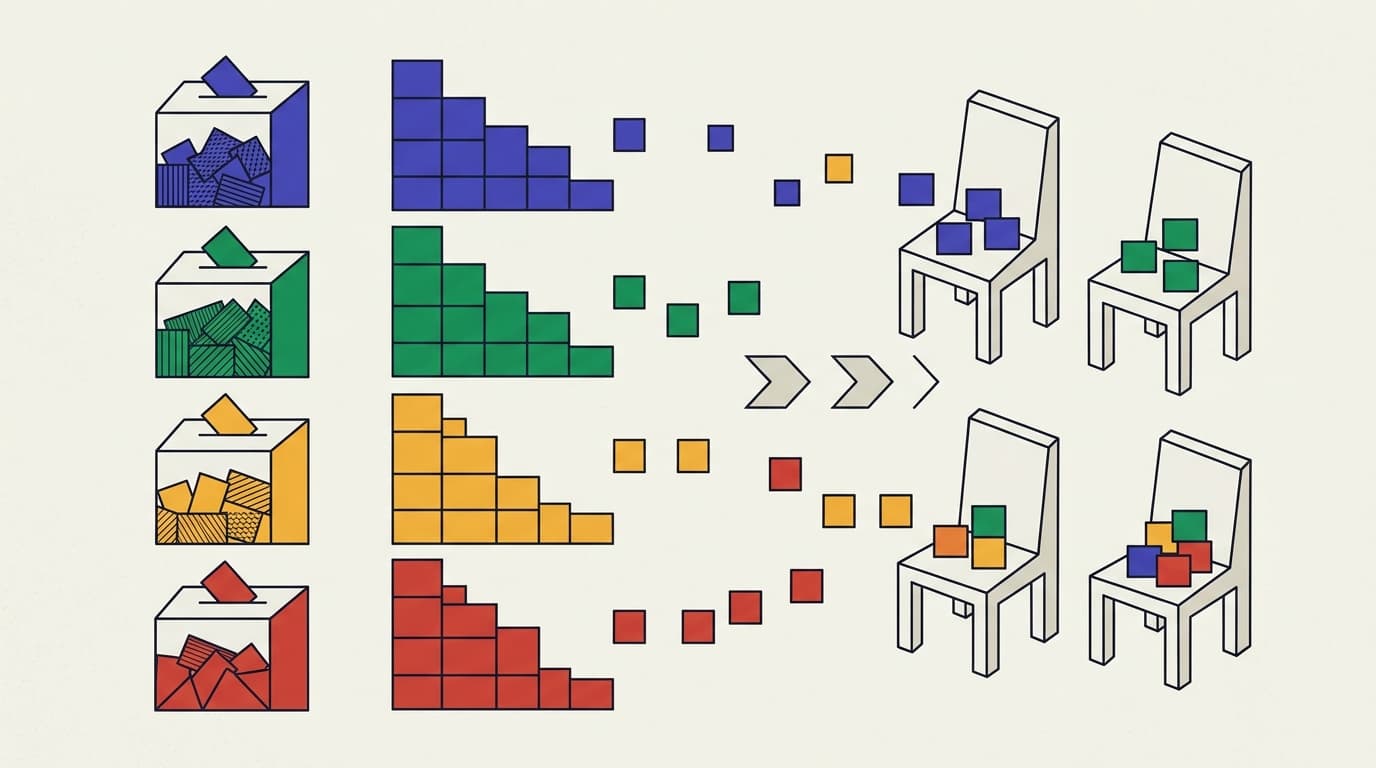
D'Hondt method: how Belgian seats are allocated
Step by step seat allocation in Belgium: list vote total, division by 1, 2, 3, the electoral divisor, the 5 % threshold and the head-of-list box. Worked example and official sources.
Independent guides, comparisons and reviews from Meilleur Parti Politique.
Step by step seat allocation in Belgium: list vote total, division by 1, 2, 3, the electoral divisor, the 5 % threshold and the head-of-list box. Worked example and official sources.
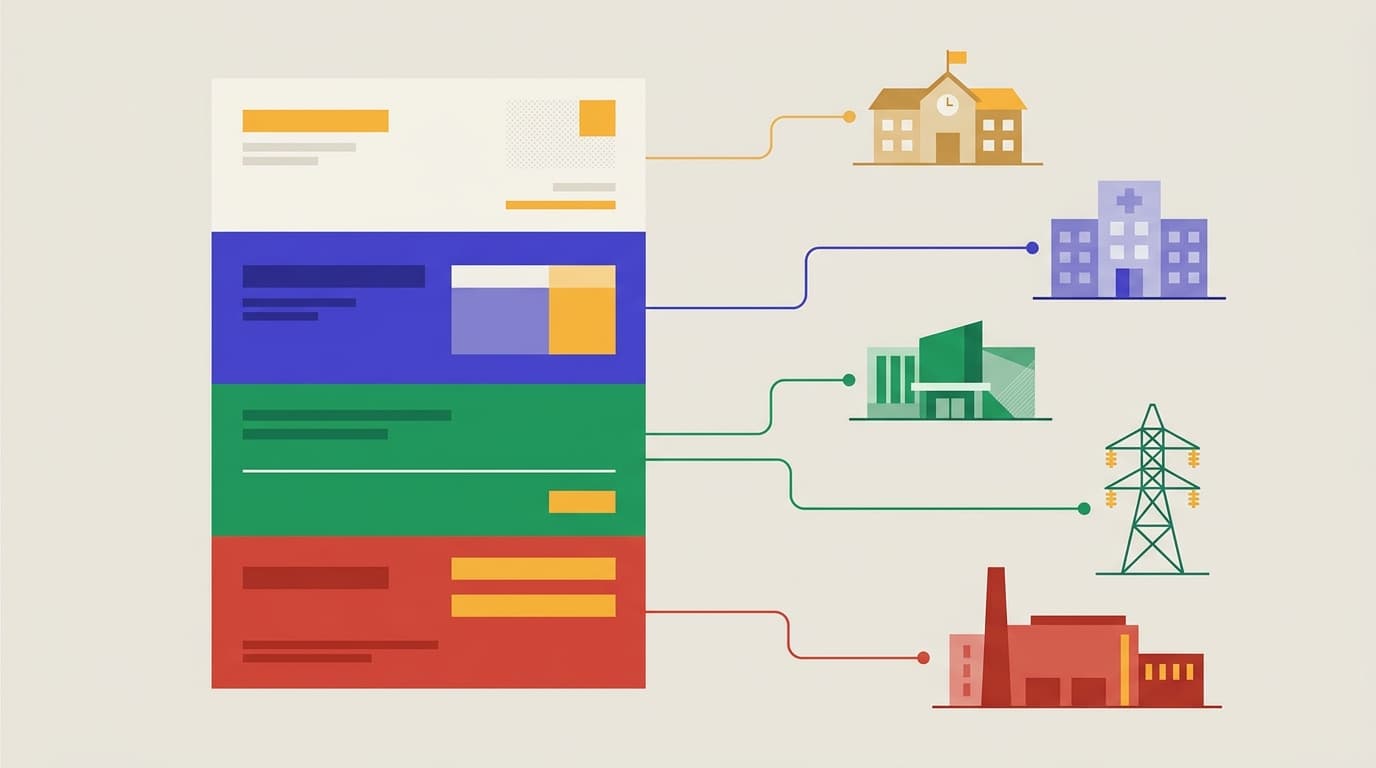
Four actors decide what you pay: your supplier for the energy itself, the CREG for transmission, your regional regulator for distribution, the federal state and your Region for the levies. Line by line.
A Region runs a territory, a Community runs people. Why Belgium has both, who decides what, and what the distinction changes in Brussels, Flanders and Wallonia.
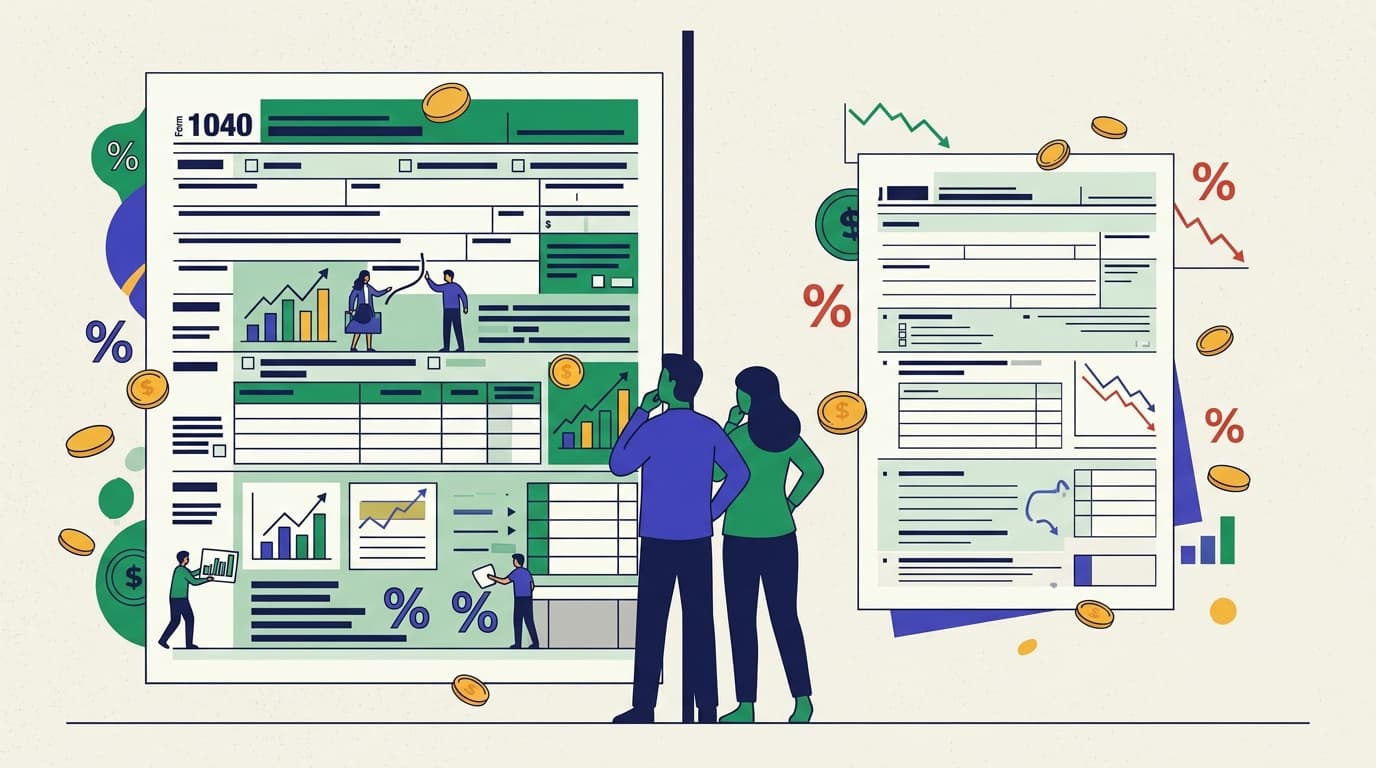
A neutral comparison of Belgian parties' positions on the gradual abolition of the marital quotient, voted on 9 July 2026: who voted what, arguments for and against, public sources.
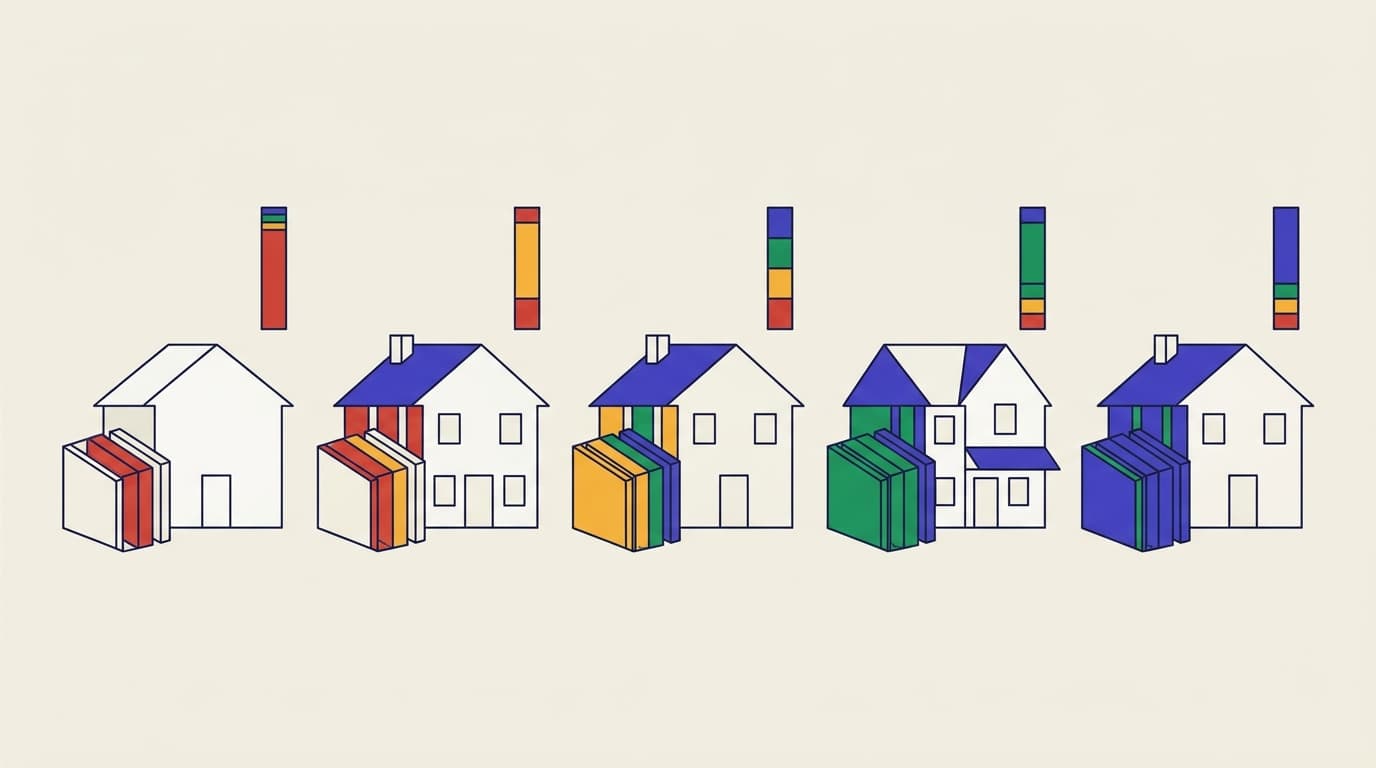
A neutral comparison of the 10 main Belgian parties on energy renovation in 2026: EPC obligations, regional timetables, grants and loans. Pros and cons, public sources.
A neutral comparison of the 10 main Belgian parties' positions on drug trafficking in 2026: zero tolerance, port security, financial flows, cannabis regulation, harm reduction. Pros and cons, public sources.
A neutral comparison of the Belgian parties' positions on low emission zones in 2026: the Brussels LEZ, the Walloon repeal, the Flemish freeze, the 350-euro annual pass. Pros and cons, public dated sources.
Neutral comparison of the 10 major Belgian parties' positions on property registration duties in 2026: 2% in Flanders, 3% in Wallonia, 12.5% in Brussels. Flat low rate or progressive scale, pros and cons, public sources.
A neutral comparison of Belgian parties' positions on the taxes weighing on the energy bill in 2026: 6% VAT, excise duties on gas and electricity, the Arizona reform. Pros and cons, public sources.